Stop Shopping for Land: How to Invest in the Philippines as a Foreigner
- A foreigner cannot own land in the Philippines, so the question is never where to buy land. It is which of four structures you can legally hold, and which locations each one reaches.
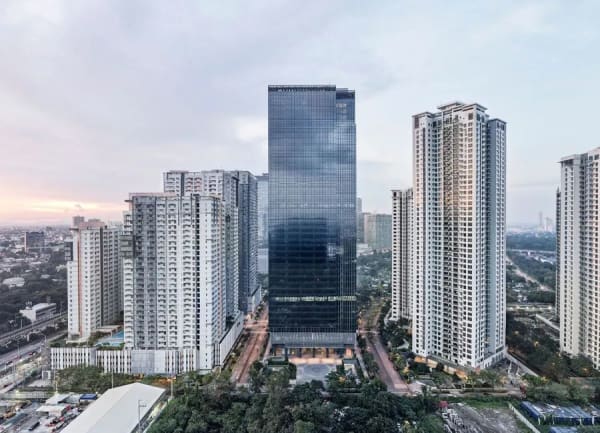
- A condominium unit is the one thing you can own outright in your own name, up to 40 percent of the units in a project, which is why strata-titled offices in BGC, Makati and Ortigas are the main route.
- A long-term lease runs up to 99 years under Republic Act 12252, which is what makes industrial land inside PEZA ecozones workable without owning it.
- A corporation that is at least 60 percent Filipino-owned may own land, but you control the 40 percent. Arrangements built to disguise that are void, not clever.
- REITs remove the ownership question entirely. You buy shares from about ₱5,000 and hold Philippine commercial property with no land restriction at all.
- Former natural-born Filipinos are treated differently. Under Republic Act 8179 they may acquire up to 5,000 square metres of urban land for business use, which no other foreign national can do.
- Pick the structure first and the location second. The structure eliminates most of the map before you have looked at a single building.
Most foreign buyers start the same way: they search for land in a province they like, find something priced well, and then discover halfway through that they cannot hold the title. The Philippine Constitution reserves land for Filipino citizens, and no amount of structuring changes that. What it does not do is stop you investing here. It just means the structure comes first and the location comes second, which is the reverse of how almost everyone approaches it.
What Does It Take to Invest in the Philippines as a Foreigner? Unpacking the Myths
Four routes are open to you, and each one reaches a different part of the market. You can own a condominium unit outright. You can lease land long term. You can take a minority position in a Filipino-majority corporation that owns land. Or you can buy shares in a REIT and skip the property question altogether. Which one you choose narrows the map before you view anything.
The Difference Between Owning the Unit and Owning the Ground
This is the distinction the whole subject turns on. Under the Condominium Act, a condominium project is divided into units that individuals hold and common areas held by a corporation. A foreigner may own units so long as foreign ownership stays within 40 percent of the project. You hold a real title to a real unit in your own name. The land underneath stays with the condominium corporation, and that is what keeps it lawful.
Why This Points You at Strata-Titled Offices
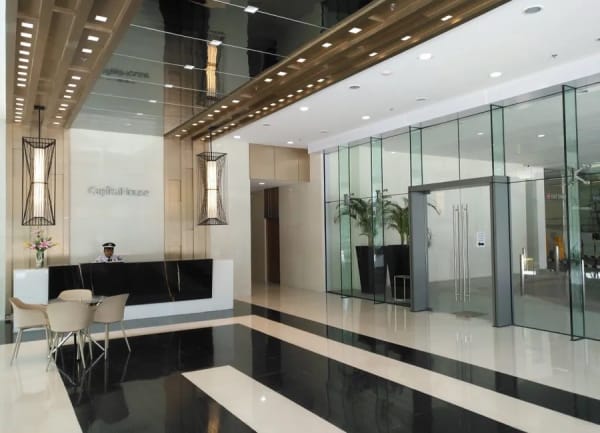
Because that 40 percent rule is what makes commercial condominium stock the natural route. An office floor in a strata-titled tower in Bonifacio Global City, Makati or Ortigas is a condominium unit in law, even though nobody calls it one. You can hold it in your own name, lease it out, and sell it later without a local partner. That is a far simpler position than any structure involving land.
Common Misconceptions: The Truth Behind the 60/40 Rule
Three beliefs get foreign buyers into trouble here, and the first one gets people prosecuted.
Myth: A Nominee Arrangement Solves It
It does not, and it is the single most expensive mistake in this subject. Arrangements where a Filipino holds land on paper while a foreigner holds the real control are anti-dummy violations, and the consequence is not a fine and a correction. The arrangement is void, which means you may lose the asset entirely and have no contract to enforce. If a broker or a lawyer offers you this as a workaround, that is the moment to leave.
Myth: The 60/40 Corporation Is a Formality
You will genuinely hold a minority. Before you use this route, be clear about three things:
- Your Filipino partners hold 60 percent and that control is real, not decorative
- Board composition and voting rights follow the equity, so plan the governance rather than assume it
- Your exit depends on your co-shareholders, because selling a minority stake in a private company is far harder than selling a condominium unit
Myth: A Lease Is Second Best
For industrial use it is frequently the better structure. Republic Act 12252 extends long-term leases to 99 years, and inside a PEZA ecozone leasing is what locators normally do anyway. You put your capital into the plant and the operation rather than the dirt, and your incentives come from your PEZA registration rather than from holding title.
The Financial Impact: What Each Structure Actually Costs You
The four routes differ far more in liquidity and control than in headline price. Three numbers frame the choice:
- A condominium unit gives you a title you can sell to anyone, Filipino or foreign, so long as the building stays inside its 40 percent cap. It is the most liquid position available to you.
- A 99-year lease gives you a long horizon but no appreciation on the land, and the improvements usually revert at the end of the term.
- A REIT position starts from about ₱5,000, trades daily on the exchange, and carries no ownership restriction whatsoever.
The structure decides your exit before it decides your entry. Ask how you will sell this in ten years before you ask what it costs today.
Your Next Move
Three things to settle before you look at a single property:
- Decide whether you need to hold the asset directly or whether exposure is enough, because a REIT answers the second question in an afternoon
- If you want a building, confirm it is strata-titled and ask the developer for the current foreign ownership percentage in that project
- If you were born a Filipino citizen, check your position under Republic Act 8179 first, because you may buy urban land for business use up to 5,000 square metres
How to Invest in the Philippines as a Foreigner: What You Need to Know
You have chosen a structure and the shortlist is real. What follows is the same diligence any buyer runs, plus the parts that only apply to you.
Get the Right People Involved
Engage a Philippine lawyer before you commit, and choose one who is not introduced by the seller. They confirm the project is genuinely registered as a condominium, check the current foreign ownership percentage against the 40 percent ceiling, and read the deed the developer hands you. If a corporation is involved, they structure it so it survives scrutiny rather than merely looks compliant. This is not a cost to trim.
Red Flags to Watch For
- Anyone offering a nominee, a dummy shareholder, or a side agreement to get around the land rule
- A seller who cannot confirm the project’s current foreign ownership percentage in writing
- A building marketed as condominium that turns out not to be registered as one
- A lease with no registration at the Registry of Deeds, which leaves you exposed if the land is sold
- Pressure to pay a deposit before your own lawyer has read the documents
Before You Transfer Money
- Written confirmation of the foreign ownership percentage in that specific project
- A Certified True Copy of the condominium certificate of title, pulled by your lawyer
- Proof the project is registered as a condominium, not merely described as one
- For a lease, registration with the Registry of Deeds so a sale of the land cannot end it
- Clear tax treatment on your rental income, confirmed with a Philippine accountant before you commit
Where This Fits
This guide covers the decision. Our foreign ownership guide covers the law itself in more depth, including the 99-year lease and the condominium rule. If you want exposure without holding property, start with REITs. If you have settled on a structure and now need a location, compare Cavite, Laguna and Metro Manila, and for industrial read our guide to choosing an industrial park. Run the due diligence checklist whichever route you take, and browse office units for sale when you are ready. Everything sits under our commercial real estate guide.
Frequently asked questions
Can a foreigner buy property in the Philippines?+
You can buy a condominium unit outright in your own name, so long as foreign ownership in that project stays within 40 percent. You cannot own land. Ask the developer for the current foreign ownership percentage in writing before you commit, because a project at its ceiling cannot sell to you.
Can a foreigner own land in the Philippines?+
No. The Constitution reserves land for Filipino citizens and for corporations at least 60 percent Filipino-owned. The lawful alternatives are a long-term lease of up to 99 years, a minority position in a Filipino-majority corporation, or a condominium unit where the land stays with the condominium corporation.
What is the 40 percent condominium rule?+
Foreign nationals may own units in a condominium project provided total foreign ownership does not exceed 40 percent of the project. It is measured per project, not per buyer, so a building already at its ceiling cannot sell another unit to a foreigner. Always ask for the current figure in writing.
Is a 60/40 corporation a safe way to hold land?+
It is lawful when the 60 percent Filipino ownership is real. It becomes an anti-dummy violation the moment the Filipino shareholders are nominees holding shares on your behalf, and such arrangements are void rather than merely penalised. Structure it with a Philippine lawyer who is not introduced by the seller.
How long can a foreigner lease land in the Philippines?+
Up to 99 years under Republic Act 12252. For industrial use inside a PEZA ecozone this is the normal arrangement anyway, and it lets you put capital into the plant rather than the land. Register any lease longer than one year with the Registry of Deeds so a sale of the property cannot end it.
Can a foreigner invest in Philippine real estate without buying property?+
Yes, through a REIT. You buy shares on the exchange from about ₱5,000, hold a slice of Philippine commercial property, and the land ownership question never arises. It is also the only route here you can exit in a single trading day.
Do former Filipino citizens have different rights?+
Yes, and this is widely missed. Under Republic Act 8179 a former natural-born Filipino may acquire up to 5,000 square metres of urban land, or three hectares of rural land, for business or commercial use. If you were born a Filipino citizen, check this route before considering any other.
Where should a foreigner invest in the Philippines?+
Let the structure choose the location. If you want direct ownership, strata-titled offices in BGC, Makati and Ortigas are where the condominium stock is. If you want industrial, lease inside a PEZA ecozone in CALABARZON. If you want neither, a REIT gives you the whole market without the restriction.
Browse verified listings across Metro Manila and beyond.
Browse properties