Stop Assuming a Foreclosed Commercial Property Is a Bargain
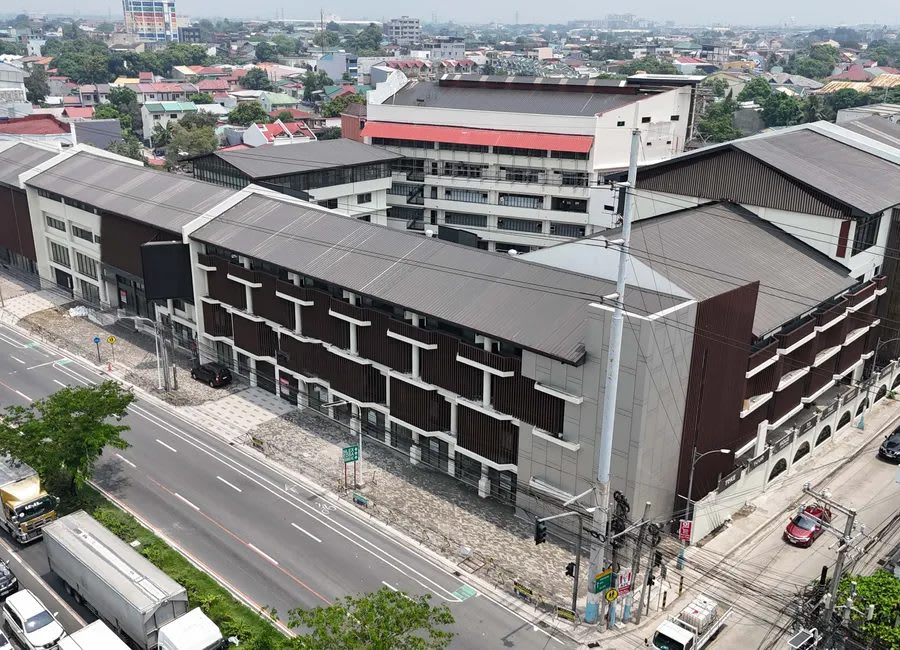
- Banks call these ROPA, or Real and Other Properties Acquired, and most publish their list openly. BDO, BPI, PNB, Security Bank, Metrobank, and Landbank all run one.
- Redemption is the risk everyone gets wrong. A natural person has one year to buy the property back, but a corporate borrower has only until the certificate of sale is registered, or three months after foreclosure, whichever comes first.
- Most commercial borrowers are corporations, so the redemption window on commercial ROPA is usually three months rather than the year people assume from residential stories.
- Everything is sold as is, where is. The bank does not repair, does not clear occupants, and does not warrant the condition of what you are buying.
- Unpaid real property tax and association dues attach to the property, so arrears become yours the moment the title transfers.
- Expect a larger downpayment and a shorter term than an ordinary purchase, because banks price ROPA financing to move the asset off their books.
- The discount is real but it is payment for risk, not a gift. Price the ejectment, the arrears, and the repairs before you decide the deal is cheap.
Somebody sends you a bank list with a building priced well under the area average and the word foreclosed next to it. The instinct is that a bank wants the asset gone and you are about to get lucky. Sometimes you are. But a foreclosed commercial property carries a set of risks an ordinary purchase does not, and the largest one has a clock on it that most buyers misread by nine months. Here is how these sales actually work in the Philippines.
What Is a Foreclosed Commercial Property in the Philippines? Unpacking the Myths
When a borrower defaults, the bank forecloses on the mortgage and the property is sold at auction. If nobody bids higher, the bank takes it onto its own books. In banking language it becomes ROPA, Real and Other Properties Acquired, and the bank is now a reluctant owner carrying an asset it never wanted and is required to dispose of. That motivation is where the discount comes from, and it is genuine.
The Difference Between a Foreclosure Auction and a Bank ROPA Sale
At the auction the property is still being sold to satisfy the debt, the redemption clock has not started, and you are bidding against other buyers with little chance to inspect. Once the bank has taken it onto its books, you are dealing with a seller that has a title, a disposal department, and a published price. The second is far safer for most buyers, and it is what the bank lists you see online actually are.
Where the Listings Come From
Most Philippine banks publish their acquired assets openly, and the larger lists run to hundreds of properties. BDO, BPI, PNB, Security Bank, Metrobank, and Landbank all maintain one, and government institutions run their own. The lists are free to browse, updated irregularly, and the good commercial assets move fast because the same handful of buyers watch them every week.
Common Misconceptions: The Truth Behind Bank-Acquired Assets
Three beliefs cost buyers money here, and the first one is the expensive one.
Myth: You Have a Year Before the Old Owner Can Take It Back
That is the residential rule, and it does not apply to most commercial deals. Under the general rule a natural person has one year from registration of the sale to redeem the property. But Section 47 of the General Banking Law cuts that short for juridical persons: a corporate borrower may redeem only until the certificate of sale is registered, or three months after the foreclosure, whichever comes earlier. Commercial borrowers are usually corporations, so the exposure you are carrying is normally three months, not twelve. Ask the bank which rule applied and get the registration date in writing.
Myth: The Bank Has Sorted Out the Problems
It has not, and it does not claim to. These sales are as is, where is, which means the bank sells you the property in whatever state it is in. Before you make an offer, establish three things for yourself:
- Whether anyone is still occupying the property, and whether ejectment is your responsibility or the bank’s
- What real property tax and association dues are outstanding, since arrears follow the property to you
- What condition the structure and its services are in, because no warranty comes with the sale
Myth: Financing Is the Same as Any Other Purchase
Banks want these assets off their books, so they often offer in-house terms on their own ROPA. That is convenient, but read the rate and the tenor rather than assuming they match an ordinary commercial property loan. Expect a larger downpayment and a shorter term, and expect the best discounts to be reserved for cash.
The Financial Impact: What a Foreclosed Commercial Property Actually Costs
The listed price is the start of the number, not the end of it. Three costs arrive with the asset and none of them appear on the bank’s sheet:
- Arrears in real property tax and association dues, which attach to the property rather than to the previous owner and become your bill on transfer
- Ejectment, if someone is still in the building, which is a court process measured in months and sometimes years rather than weeks
- Deferred maintenance, because a property that went through default was rarely maintained well in the years before it did
The discount on a foreclosed asset is the market pricing your risk. Work out the risk first, then decide whether the discount is generous or merely fair.
Your Next Move
Three things before you commit to a ROPA purchase:
- Ask the bank whether the previous owner was a corporation and when the certificate of sale was registered, because that single answer sets your redemption exposure
- Get a current tax clearance and a statement of association dues, and treat any arrears as part of your purchase price
- Visit the property unannounced rather than on a scheduled viewing, so you see who is actually there
Buying a Foreclosed Commercial Property in the Philippines: What You Need to Know
The asset suits your plan and the price stands up even after the risks are costed. The remaining work is the same due diligence as any purchase, plus the parts specific to a distressed sale.
Get the Right People Involved
Engage a lawyer before you submit an offer, not after it is accepted. A lawyer confirms the foreclosure was validly conducted, checks whether the redemption period has actually run, and reads the bank’s deed of sale, which is usually the bank’s own template and heavily weighted toward the bank. A licensed geodetic engineer confirms the boundaries match the title. Both cost a fraction of an ejectment case.
Red Flags to Watch For
- A bank that will not confirm the registration date of the certificate of sale
- Occupants on the property whom nobody will characterise as tenants, caretakers, or the former owner
- A price that has been discounted repeatedly, which usually signals a problem other buyers already found
- Association dues or real property tax arrears the bank will not quantify in writing
- Pressure to submit a bid before you have completed your own title verification
Before You Submit an Offer
- Certified True Copy of the title from the Registry of Deeds, obtained by you, with the annotations read
- Written confirmation of the redemption position and the registration date
- Tax clearance and a statement of outstanding association dues
- Zoning certification confirming your intended use is permitted
- A contractor’s estimate for repairs, because as is, where is means exactly that
Where This Fits
A ROPA purchase is one acquisition route among several. Our step-by-step buying guide covers the ordinary transaction, the due diligence checklist covers the verification that applies to both, and the ten signs of a land scam covers the deals that are not what they appear. Transfer costs and arrears sit in the tax guide, and the whole cluster runs under our commercial real estate guide. If you would rather buy from an owner than a bank, our commercial property for sale listings are reviewed before they publish. The Bangko Sentral publishes the banking data behind all of this.
Frequently asked questions
What does ROPA mean in Philippine banking?+
ROPA stands for Real and Other Properties Acquired. It is the accounting category a bank uses for assets it took on through foreclosure or settlement of a bad loan. Banks are required to dispose of these, which is why most publish their ROPA list openly and why the pricing is often below the area average.
How long is the redemption period on a foreclosed property?+
It depends who the borrower was. A natural person generally has one year from registration of the sale. A juridical person such as a corporation has only until the certificate of sale is registered, or three months after the foreclosure, whichever comes first, under Section 47 of the General Banking Law. Most commercial borrowers are corporations, so ask which rule applied.
Is buying a foreclosed commercial property a good investment?+
It can be, when the discount is larger than the risks you are absorbing. Price the arrears, the ejectment exposure, and the repairs first, then compare the total against an ordinary purchase of a similar asset. If the discount does not cover all three with room left over, the ordinary purchase is the better deal.
What does as is, where is mean?+
It means the bank sells the property in its current physical and legal condition and gives no warranty about either. Existing damage, occupants, and unpaid dues are yours to deal with after transfer. Inspect the property yourself and budget for what you find, because there is no recourse afterwards.
Who pays unpaid real property tax on a foreclosed property?+
You do, once the title transfers, because real property tax attaches to the property rather than to the person. Ask the bank for a current tax clearance and a statement of association dues before you make an offer, and treat any arrears as part of the purchase price rather than a surprise afterwards.
Can I get a bank loan to buy a foreclosed property?+
Usually, and often from the bank selling it, since it wants the asset off its books. Read the rate and the term rather than assuming they match an ordinary commercial loan, because ROPA financing commonly carries a larger downpayment and a shorter tenor. Cash buyers generally get the best price.
What happens if someone is still living in the property?+
Removing them is normally your responsibility, not the bank’s, and it is a court process rather than a conversation. Establish who is in occupation and on what basis before you bid, and price the delay into your offer. Visit unannounced rather than on a scheduled viewing so you see the real position.
Where can I find foreclosed commercial properties in the Philippines?+
Most large banks publish their acquired assets list on their own website, including BDO, BPI, PNB, Security Bank, Metrobank, and Landbank. The lists are free, updated irregularly, and the better commercial assets move quickly, so check them regularly rather than once.
Browse verified listings across Metro Manila and beyond.
Browse properties