Stop Renting Office Space in the Philippines Before You Know These Four Numbers
- Four numbers decide your search before you view anything: headcount converted to floor area, your all-in monthly ceiling, the term you can honestly commit to, and the fit-out capital you can fund.
- The quoted rate is roughly 80 percent of your monthly cost. CUSA and 12 percent VAT sit on top, so ₱1,267 per square metre in Makati CBD bills closer to ₱1,587.
- A 20-person office needs about ₱4.8 million before month one: ₱810,880 in deposit and advance rent, plus roughly ₱4 million to fit out 160 square metres.
- Plan on four to six months from first viewing to first working day. The fit-out alone runs eight to twelve weeks, and it starts only after the lease is signed.
- Escalation compounds. At 10 percent a year a ₱253,926 monthly bill reaches ₱371,774 by year five, against ₱308,649 at 5 percent.
- Metro Manila vacancy near 19 percent means landlords have reason to move on rent-free fit-out months and a capped escalation. Ask before you accept the first quote.
- Size the requirement before you shortlist. Paying escalation for five years on square metres nobody sits at is the most expensive mistake in the whole process.
You have outgrown the current space, someone sends you three listings, and you book viewings for Saturday. That is the wrong first move. The tenants who overpay in this market are almost never the ones who picked a bad building. They are the ones who started touring before they had settled four numbers, then negotiated from whatever the landlord opened with. Here is what to fix first, what the whole thing actually costs, and how long it really takes.
What Does It Take to Rent Office Space in the Philippines? Unpacking the Myths
Renting office space here is not one decision. It is a floor area decision, a budget decision, a term decision, and a capital decision, and they constrain each other. Settle them in that order and the shortlist writes itself. Skip them and you end up comparing a fitted unit in Ortigas against a bare shell in BGC on headline rate alone, which tells you nothing.
The Difference Between the Rate and the Cost
The rate is per square metre per month and it is the marketing number. Your cost adds CUSA for the building common areas, 12 percent VAT once the lessor crosses the ₱3 million annual receipts threshold, parking, after-hours aircon, and separately metered utilities. On a Makati CBD floor at ₱1,267 per square metre, a realistic all-in figure lands near ₱1,587. Compare buildings on that number, never on the first one.
The Four Numbers to Fix Before You View Anything
How many square metres your headcount actually needs, using roughly 8 per seat for a conventional office and 4 to 5 for a BPO floor. Your all-in monthly ceiling including CUSA and VAT. The term you can honestly promise, because three to five years is standard and escalation compounds across it. And the fit-out capital you can fund, which nobody quotes you and which lands before you earn a peso from the space. Our office space calculator settles the first one in a minute.
Common Misconceptions: The Truth Behind the Office Search
Three beliefs cost tenants money in this market, and each one sounds like common sense.
Myth: You Can Move In Next Month
Almost never. Search and shortlist takes two to four weeks, viewings and a letter of intent another two to three, term sheet negotiation two to four, and signing and documents one to two. Then the fit-out runs eight to twelve weeks, and it starts only after the lease is signed. Four to six months from first viewing to first working day is the realistic plan. Start the search when you are two quarters out, not two months.
Myth: Fitted Space Saves You the Fit-Out
Sometimes, and it is worth checking rather than assuming. Ask what handover condition the quote covers before you compare anything:
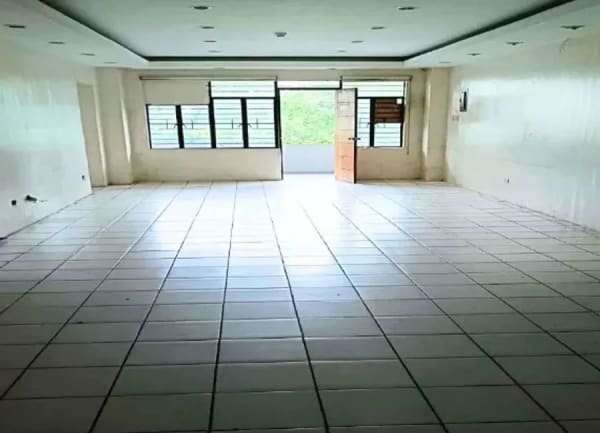
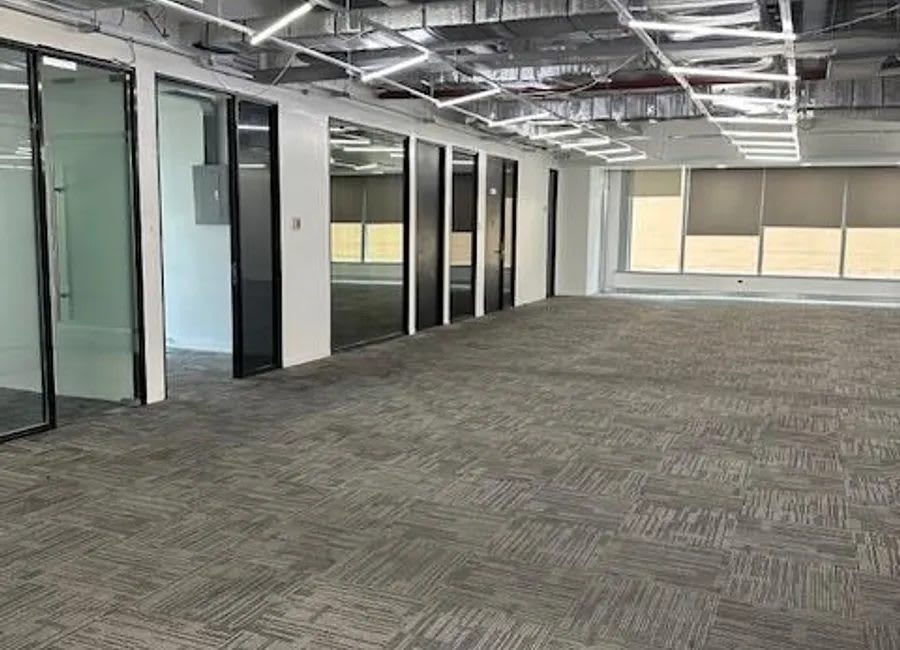
- Bare shell means concrete, no ceiling, no aircon distribution, no partitions, and the full fit-out cost is yours
- Warm shell adds ceiling, lighting, aircon distribution, and finished floors, which removes a meaningful slice of the capital
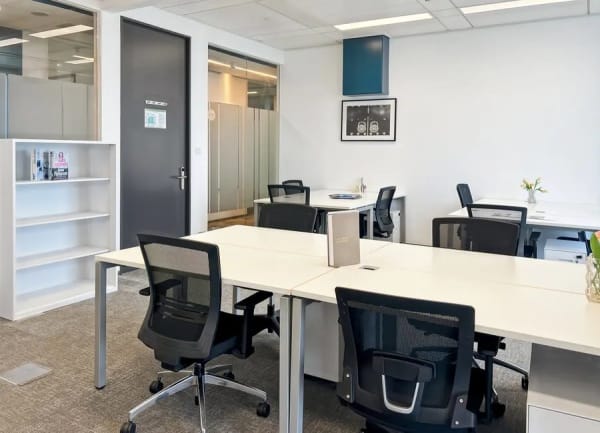
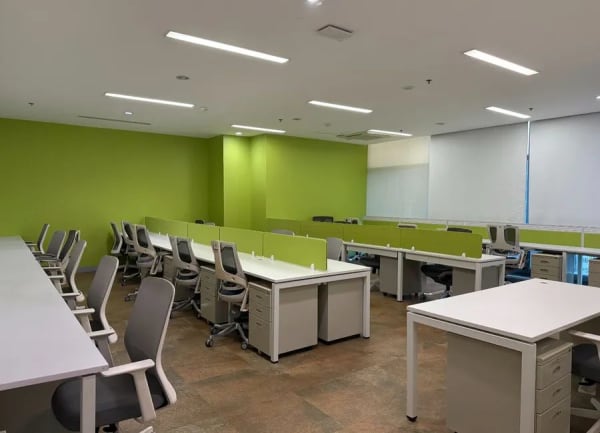
- Fitted or plug-and-play carries the previous tenant’s layout, which saves money only when that layout suits how your team actually works
Myth: The Landlord Sets the Terms
They open the terms. With Metro Manila vacancy running near 19 percent and new supply still arriving, a tenant signing a multi-year term has more room than most realise. Rent-free fit-out months, a capped rather than open escalation, a fit-out allowance, and a handover in better than bare shell condition all move. The tenants who get them are the ones who ask in writing before signing, not in year two.
The Financial Impact: What You Commit To When You Sign
Take 20 people at 8 square metres per seat, so 160 square metres, priced on a Makati CBD floor at ₱1,267 with CUSA at ₱150 and VAT at 12 percent:
- Your monthly bill is about ₱253,926, not the ₱202,720 the rate alone suggests, so roughly ₱3.05 million a year
- Before you occupy you need about ₱810,880 in deposit and advance rent, and roughly ₱4 million to fit out the floor at ₱25,000 per square metre
- That is about ₱4.8 million committed before your team spends a single day in the space
The cheque you write before month one is larger than your first eighteen months of rent. Budget the fit-out first and the rate second.
What Escalation Does Across the Term
The escalation clause is the line tenants skim and landlords count on, because it compounds on the previous year rather than the original rate. That same ₱253,926 monthly bill reaches ₱308,649 by year five at 5 percent annual escalation, and ₱371,774 at 10 percent. Over a five-year term that gap is worth more than the deposit, the advance, and the parking combined. Negotiate the rate if you must, but negotiate this first.
Your Next Move
Three things to settle this week, before you book a single viewing:
- Convert your headcount to square metres and add 10 to 15 percent for growth, then stop looking at anything materially larger
- Write your all-in monthly ceiling including CUSA and VAT, and use that number when you compare buildings
- Get a contractor to price the fit-out on a real floor plate rather than estimating it, because that is the number that decides whether the deal is affordable
How to Rent Office Space in the Philippines: What You Need to Know
Your four numbers are set and a shortlist exists. The remaining risk moves from the search to the paperwork, and that is where the money quietly changes hands.
Get the Right People Involved
Engage a tenant representation broker and a lawyer before you sign anything. A broker knows what comparable tenants pay in that same building, which turns your negotiation from guesswork into evidence. A lawyer reads the clauses that decide your exposure: the escalation formula, the pre-termination penalty, and the restoration obligation that can oblige you to strip the space back to bare shell at your own cost after you paid to build it. Both cost less than one year of an overpriced lease.
Red Flags to Watch For
- A landlord who quotes a rate but will not put CUSA in writing
- Escalation with no cap, or tied to an index nobody will name
- A restoration clause requiring bare shell handback after you funded the fit-out
- A pre-termination penalty covering the entire remaining term rather than a notice period
- No stated deadline for the return of your security deposit
- A handover date that leaves no float, since a fit-out that slips leaves you paying rent on two spaces
Before You Sign
- Get the all-in monthly figure and the full escalation schedule in the term sheet, not in a chat message
- Confirm the handover condition in writing and what the landlord is actually delivering
- Check backup power capacity, building operating hours, and the cost of after-hours aircon
- Confirm PEZA accreditation if your business qualifies, using the PEZA register rather than a claim on a flyer
- Register a lease longer than one year with the Registry of Deeds so a sale of the building cannot end it
- Diarise the renewal window a year out so you renegotiate from choice rather than urgency
Where This Fits
Read our guide to what commercial space costs for current rates by district, and the lease agreement guide for what the contract actually contains before you sign one. If you are still choosing a district, the Makati, BGC and Ortigas comparison sets them against each other. If your headcount is still moving, price flexible space against a conventional lease first. The VAT and withholding treatment is worth confirming with your accountant, and the whole cluster sits under our commercial real estate guide. Current availability is on our office space for lease page, and JLL Philippines publishes quarterly market data.
Frequently asked questions
How much office space do I need per employee in the Philippines?+
Budget roughly 8 square metres per seat for a conventional office and 4 to 5 for a BPO floor running shifts. A 20-person team therefore needs about 160 square metres. Add 10 to 15 percent for growth, then stop looking at anything materially larger, because you pay escalation on empty desks for the whole term.
How much does it cost to rent office space in Manila?+
Prime Makati CBD runs near ₱1,267 per square metre monthly and BGC higher, but the rate is about 80 percent of your bill. Add CUSA of roughly ₱150 per square metre and 12 percent VAT and a 160 square metre floor bills near ₱253,926 a month. Always compare buildings on the all-in figure.
How much cash do I need before moving into an office?+
For a 20-person requirement, expect about ₱810,880 in deposit and advance rent plus roughly ₱4 million to fit out 160 square metres at ₱25,000 per square metre. That is around ₱4.8 million before your team works a single day. Price the fit-out with a contractor rather than estimating it.
How long does it take to rent and move into an office?+
Four to six months from first viewing to first working day. Search and shortlist takes two to four weeks, viewings and an LOI another two to three, negotiation two to four, signing one to two, and the fit-out eight to twelve weeks after that. Start looking two quarters before you need the space.
What is the difference between bare shell, warm shell, and fitted?+
Bare shell is concrete with no ceiling, aircon distribution, or partitions, so the entire fit-out is yours. Warm shell adds ceiling, lighting, aircon distribution, and floors. Fitted carries the previous tenant’s layout, which saves money only if that layout suits your team. Confirm the handover condition in writing before comparing quotes.
Can I negotiate office rent in the Philippines?+
Yes, and the market gives you reason to. Metro Manila vacancy near 19 percent means landlords will move on rent-free fit-out months, a capped escalation, a fit-out allowance, and a better handover condition. Ask for all four in writing before you sign, because none of them are available to you afterwards.
What is a typical office lease term here?+
Three to five years is standard for conventional space, with an escalation clause raising the rate every year. If you cannot honestly promise that headcount for three years, price flexible or serviced space against it before committing, since the short term is the product you would be paying for.
Should I use a tenant representation broker?+
Yes, for anything above a small suite. A tenant rep knows what comparable tenants in that building actually pay, which is the only way to know whether your quote is fair. The landlord already has professional representation on their side of the table, and the fee is far less than a year of overpaying.
Browse verified listings across Metro Manila and beyond.
Browse properties