
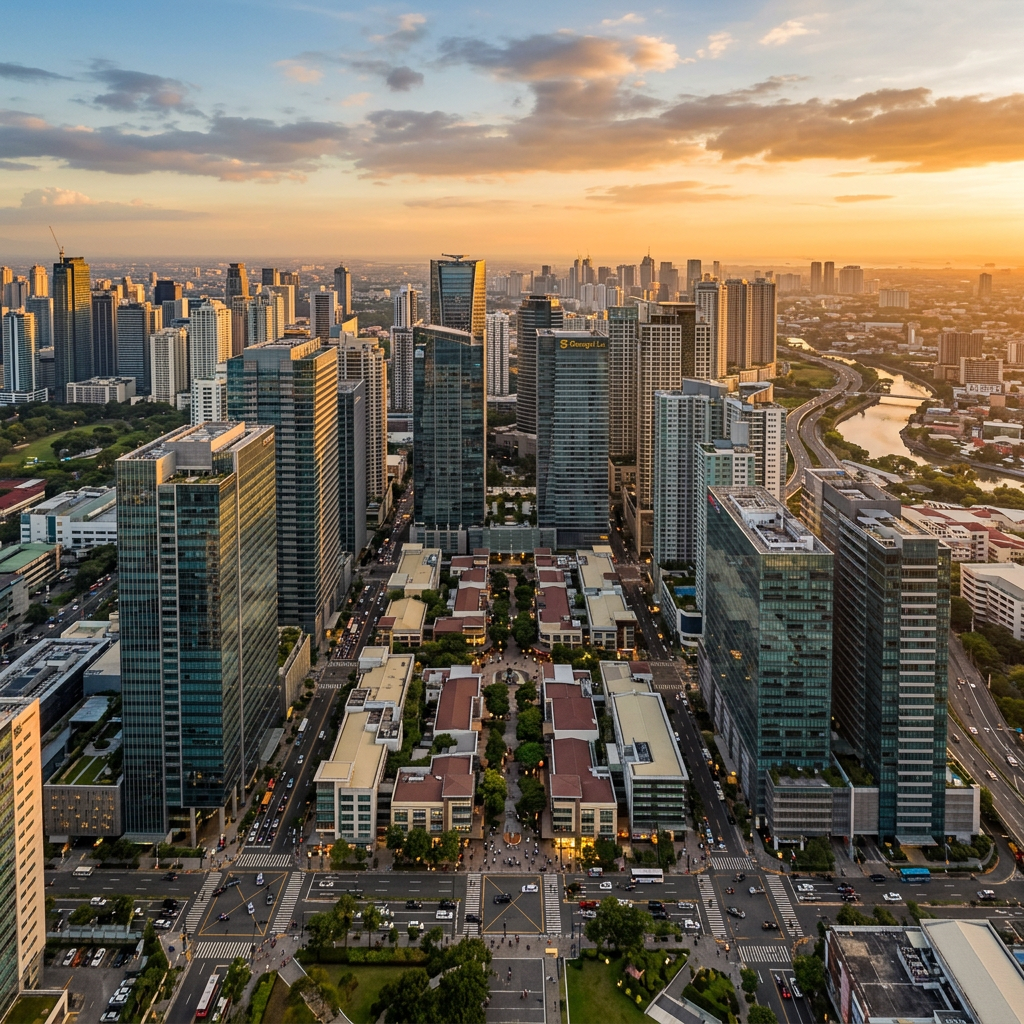
Commercial real estate in the Philippines has become one of the most sought-after asset classes among local and foreign investors alike. As the Philippine economy continues to expand — driven by a young workforce, a growing BPO sector, and rising consumer spending — the demand for well-positioned commercial spaces has never been higher. For investors looking to build lasting wealth, Commercia offers access to curated commercial properties designed to generate consistent income.
According to the Bangko Sentral ng Pilipinas, the Philippine economy grew by 5.6% in 2024, outpacing many Southeast Asian neighbors and signaling a resilient business environment. That growth creates real, measurable demand for office space, retail units, and mixed-use developments — and that demand translates directly into investor returns.
Why Is Commercial Property a Better Investment Than Residential in the Philippines?
Commercial properties in the Philippines consistently deliver higher rental yields than residential properties, typically ranging from 6% to 10% annually compared to the 3% to 5% average for residential units. This gap exists because commercial tenants — businesses, retailers, and service providers — tend to sign longer lease agreements, reducing vacancy risk and providing more predictable cash flow over time.
Residential properties are heavily influenced by sentiment and migration patterns. Commercial properties, on the other hand, are tied to economic activity. As long as businesses need physical space to operate, commercial real estate retains its fundamental value. For investors who want income stability alongside capital appreciation, commercial real estate in the Philippines offers both in a single asset class.
What Makes Metro Manila a Prime Location for Commercial Investment?
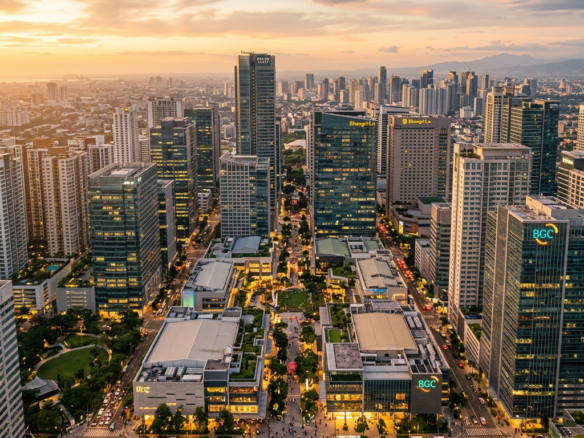
Metro Manila remains the undisputed economic center of the Philippines, accounting for roughly 36% of the country’s total GDP and hosting the headquarters of most major corporations, financial institutions, and BPO operations. Cities like Makati, BGC, Ortigas, and Pasay command premium rents precisely because demand from occupiers consistently exceeds supply.
Beyond Metro Manila, secondary cities are emerging as serious investment destinations. Cebu, Davao, and Clark are experiencing infrastructure upgrades, population growth, and increasing business activity — all conditions that historically precede commercial property appreciation. Investors who identify these markets early, as platforms like Commercia help them do, stand to benefit from both higher yields and significant long-term capital gains.
The NEDA’s Build Better More infrastructure program is accelerating connectivity between urban centers and provinces. Better roads, new expressways, and expanded airports are not just government projects — they are catalysts that expand the geographic footprint of viable commercial investment.
How Does Commercial Property Generate Passive Income in the Philippines?
A commercial property generates passive income primarily through rental revenue — tenants pay a fixed monthly rate to occupy your space, and that payment continues regardless of your personal involvement in day-to-day operations. Unlike stocks or mutual funds, this income stream is backed by a tangible, physical asset that you own outright.
There are several commercial property types available to Philippine investors, each with distinct income profiles:
- Retail units in high-foot-traffic areas generate income from consumer-facing businesses and typically carry shorter lease terms with rent escalation clauses
- Office spaces in business districts attract corporate tenants who value stability and sign multi-year leases, making them highly predictable income sources
- Mixed-use developments combine retail, office, and sometimes residential components, diversifying your income streams within a single investment
With Commercia, investors can browse commercial properties by type, location, and price range to find assets that match their income goals and risk tolerance.
Is Now a Good Time to Invest in Philippine Commercial Real Estate?
Yes — and the timing is backed by data. Office vacancy rates in Metro Manila’s central business districts have been declining since 2023, retail foot traffic has recovered above pre-pandemic levels, and foreign direct investment into Philippine real estate hit a multi-year high in 2024. These indicators point to a market that has absorbed post-pandemic corrections and is now in an expansion phase.
Interest rates, while elevated globally, are beginning to moderate. As borrowing costs ease, the leverage advantage of real estate investing becomes more accessible to a wider range of investors. Those who enter the market before a full rate-cutting cycle typically benefit from both higher yields (available now) and capital appreciation (as lower rates push valuations up).
For anyone serious about building income and wealth in the Philippines, now is the right window to be exploring available commercial listings and securing assets before prices adjust upward.
FAQ
What is the minimum investment for commercial property in the Philippines?
Entry points vary widely depending on location and property type. Small commercial units in provincial cities can start below ₱2 million, while prime Metro Manila retail or office spaces typically start at ₱5 million to ₱15 million and above.
Are foreigners allowed to invest in commercial property in the Philippines?
Foreign nationals can own condominium units, including commercial condo units, up to the 40% foreign ownership limit per project. They can also invest through Philippine corporations where they hold up to 40% equity. Leasehold arrangements for up to 50 years (renewable for 25 years) are also available for foreign investors.
What are the tax implications of owning commercial property in the Philippines?
Rental income is subject to income tax and 12% VAT if annual gross receipts exceed ₱3 million. Real property tax (RPT) is assessed annually by the local government unit. Capital gains tax of 6% applies on the sale of real property classified as capital asset.
How is commercial property different from REIT investing in the Philippines?
Owning commercial property directly gives you full control over the asset, lease terms, and improvements. REITs offer liquidity and lower capital requirements but you don’t control the underlying assets. Direct ownership typically delivers higher returns for investors willing to manage or oversee their property.
What types of commercial properties are available on Commercia?
Commercia lists for-sale and for-lease commercial properties including retail units, office spaces, warehouses, and mixed-use developments across Metro Manila and key provincial cities. You can filter by status, location, property type, and price range directly on the platform.
How do I evaluate if a commercial property is a good investment?
Key metrics include gross rental yield (annual rent ÷ purchase price), net yield after expenses, occupancy rate of the building, lease terms, and the economic activity of the surrounding area. Commercia provides listing data to help investors compare properties side by side before making a decision.

Join The Discussion